 Cartilage
 Knees
Knees Hip
Hip Shoulder
ChondroFiller and Hyaluronic Acid Injections in Joint Cartilage Treatment
19/02/26


Knee osteoarthritis (OA) is becoming an increasingly common issue for adults who spend much of their working day in an office, especially those who notice pain or stiffness when moving from sitting to standing. This everyday movement, though seemingly simple, can be quite uncomfortable for people with knee joint problems, particularly when combined with a largely sedentary lifestyle. Desk workers often face unique difficulties like joint stiffness and reduced mobility, linked closely to hours spent sitting still. Fortunately, Arthrosamid—a minimally invasive treatment—offers a promising way to ease symptoms and help office-based adults stay active. This article looks at how Arthrosamid might benefit those suffering from knee OA in workplace settings.
Spending long hours sitting, common in many desk jobs, can worsen knee OA symptoms such as stiffness, pain, and limited movement. Many workers find standing up after long meetings, commuting, or walking around the city increasingly uncomfortable. This discomfort doesn’t just affect physical health, but also work performance and quality of life. Poor workplace ergonomics—like chairs and desks set at the wrong height—and a lack of regular movement breaks add to the strain on the knees. The moment of standing up from a seated position reveals just how challenging knee OA can be in an office environment.
Managing knee discomfort at work starts with simple, practical changes that make a real difference. Setting up a workstation with proper ergonomic support, such as chairs and desks adjusted for your height, can reduce pressure on the knees. Increasing gentle physical activity during the day is also important. In fact, a study on adjustable sit-stand workstations found that “body part discomfort decreased by an average of 62 per cent” after employees began alternating between sitting and standing. Taking short breaks to stretch, walking a little during the day, and regularly changing posture help keep joints mobile and reduce stiffness. Combining these habits with personalised advice from health professionals provides the best chance of easing symptoms and maintaining mobility.
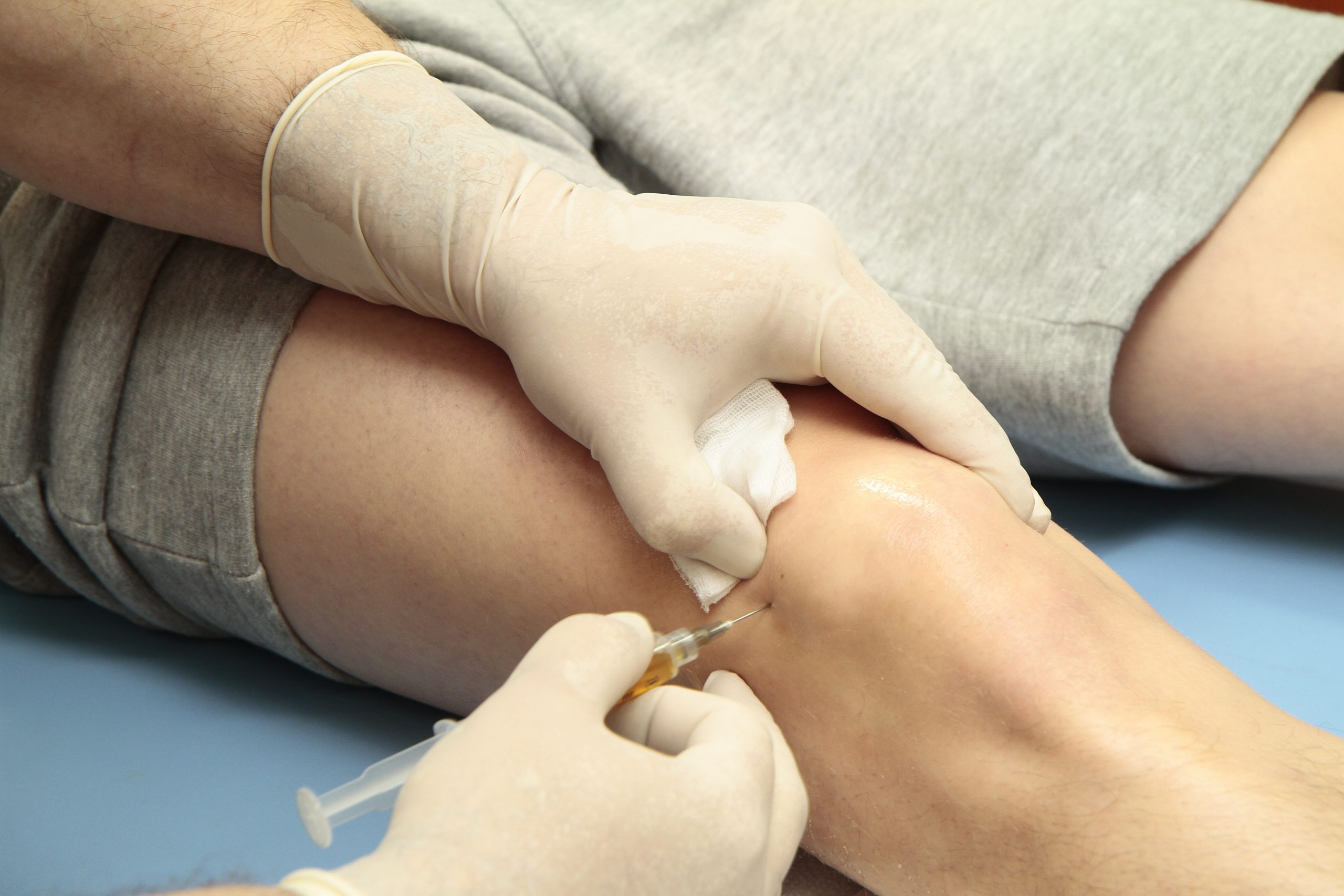
Arthrosamid is a hydrogel injection designed to relieve symptoms of mild-to-moderate knee OA by cushioning and lubricating the joint. This treatment suits office workers looking for non-surgical options that allow them to keep up with daily activities, including work and urban commuting. Recent research shows that “PAAG provided improvement in knee OA symptoms over 24 months, in older, non-diabetic patients with lower KL grades.” However, the study also notes some limitations, including “the absence of a control group and limited outcome measures,” signalling the need for more research. Arthrosamid should always be considered part of a broader treatment plan, personalised to each patient and decided on with medical professionals, as results can vary from person to person.
Professor Paul Lee is a leading expert in orthopaedics and rehabilitation, with extensive experience in treating knee OA. At the London Cartilage Clinic, patients receive comprehensive care in a supportive environment, exploring innovative treatments such as Arthrosamid alongside holistic approaches to improving joint health and mobility. The clinic emphasises the importance of individualised assessments to identify the best treatment options for each patient. Supporting this tailored approach, recent studies report that “patient factors that increased the odds of reaching MCID in all 3 scores by 24 months include being older…, a lower knee OA grade…, not having diabetes…, and having bilateral rather than unilateral knee OA.” It is important to note that the clinic provides access to Arthrosamid but does not claim to have invented or developed the technology, ensuring balanced, evidence-based care.
Knee osteoarthritis can greatly impact the comfort and mobility of office-based adults, especially during everyday movements like standing up. By adopting sensible ergonomic habits and considering minimally invasive treatments such as Arthrosamid, many people may find relief and enjoy a better quality of life. Always seek advice from qualified healthcare professionals who can offer personalised recommendations and ensure the best care.
For individual medical advice, please consult a qualified healthcare professional.
Professor Paul Lee is a cartilage expert with significant orthopaedic experience, holding prestigious roles including Royal College of Surgeons of Edinburgh Ambassador and Advisor. He leads the London Cartilage Clinic, offering advanced, individualised solutions for patients with knee osteoarthritis.
The clinic provides comprehensive assessments and explores innovative, minimally invasive treatments like Arthrosamid, emphasising tailored care for each patient. Professor Lee’s expertise ensures that office workers’ unique symptoms and lifestyles are carefully considered to optimise outcomes.
Arthrosamid, offered by London Cartilage Clinic, is a hydrogel injection that cushions and lubricates the knee joint. It suits office workers seeking minimally invasive, non-surgical treatments to maintain activity levels and manage discomfort from prolonged sitting or movement.
Not all patients are suitable for Arthrosamid, as individual needs and health conditions differ. The London Cartilage Clinic, under Professor Lee, uses thorough assessments to decide the most appropriate options, prioritising safety and effectiveness in every treatment plan.
Because every patient’s knee osteoarthritis symptoms and lifestyle vary, individualised assessments at London Cartilage Clinic help identify the best treatment mix. Professor Lee’s expertise ensures that recommendations consider factors like age, OA severity, and general health for optimal care.
All our treatments are selected to help patients achieve the best possible outcomes and return to the quality of life they deserve. Get in touch if you have any questions.
At London Cartilage Clinic, we are constantly staying up-to-date on the latest treatment options for knee injuries and ongoing knee health issues. As a result, our patients have access to the best equipment, techniques, and expertise in the field, whether it’s for cartilage repair, regeneration, or replacement.
For the best in patient care and cartilage knowledge, contact London Cartilage Clinic today.
At London Cartilage Clinic, our team has spent years gaining an in-depth understanding of human biology and the skills necessary to provide a wide range of cartilage treatments. It’s our mission to administer comprehensive care through innovative solutions targeted at key areas, including cartilage injuries. During an initial consultation, one of our medical professionals will establish which path forward is best for you.
Contact us if you have any questions about the various treatment methods on offer.
Legal & Medical Disclaimer
This article is written by an independent contributor and reflects their own views and experience, not necessarily those of londoncartilage.com. It is provided for general information and education only and does not constitute medical advice, diagnosis, or treatment.
Always seek personalised advice from a qualified healthcare professional before making decisions about your health. londoncartilage.com accepts no responsibility for errors, omissions, third-party content, or any loss, damage, or injury arising from reliance on this material. If you believe this article contains inaccurate or infringing content, please contact us at [email protected].